Accounting For Hospitality Industry

Modern cloud-based solutions often include data migration tools to streamline the switch. This comprehensive view supports accounting teams in ensuring compliance and accurate financial forecasting. You can also configure your system for customized reporting, adapting the criteria for different stakeholders. Alternatively, you can drill down to departmental profit to understand revenue and expenses for specific hotel services, such as rooms, F&B, and spa.
- This type of ledger keeps track of all the revenue sources for a hotel, including room rates, food and beverage sales, meetings and events, and more.
- It’s a statement that presents the cashflow movement and bank balances across the hotel portfolio over a period of time.
- Property management systems (PMS) handle reservations and billing, feeding data automatically to accounting software.
- This dynamic approach to revenue management not only boosts financial performance but also improves the overall guest experience.
- In this competitive sector, efficient hotel accounting is essential to sustaining profitability and guaranteeing operational effectiveness.
- Our Labor Management solution is built specifically for hoteliers, allowing them to proactively in control labor costs.
Legal Framework for Product Development: Regulatory Compliance and…
The night auditor helps https://www.bookstime.com/ ease the pressure of non-stop operations on both staff and accounting systems, but automated software is also crucial. Revenue managers are responsible for managing and monitoring room sales and rates to maximize revenue, relying on financial, analytical, and marketing skills. Hotel accountants are essential for managing financial accounting transactions and possessing GAAP/IFRS and USALI expertise. Let’s calculate the standard hotel metrics using these financial data and understand the basics of hotel accounting.

Can I deduct lodging if I mix personal vacation with a business trip?
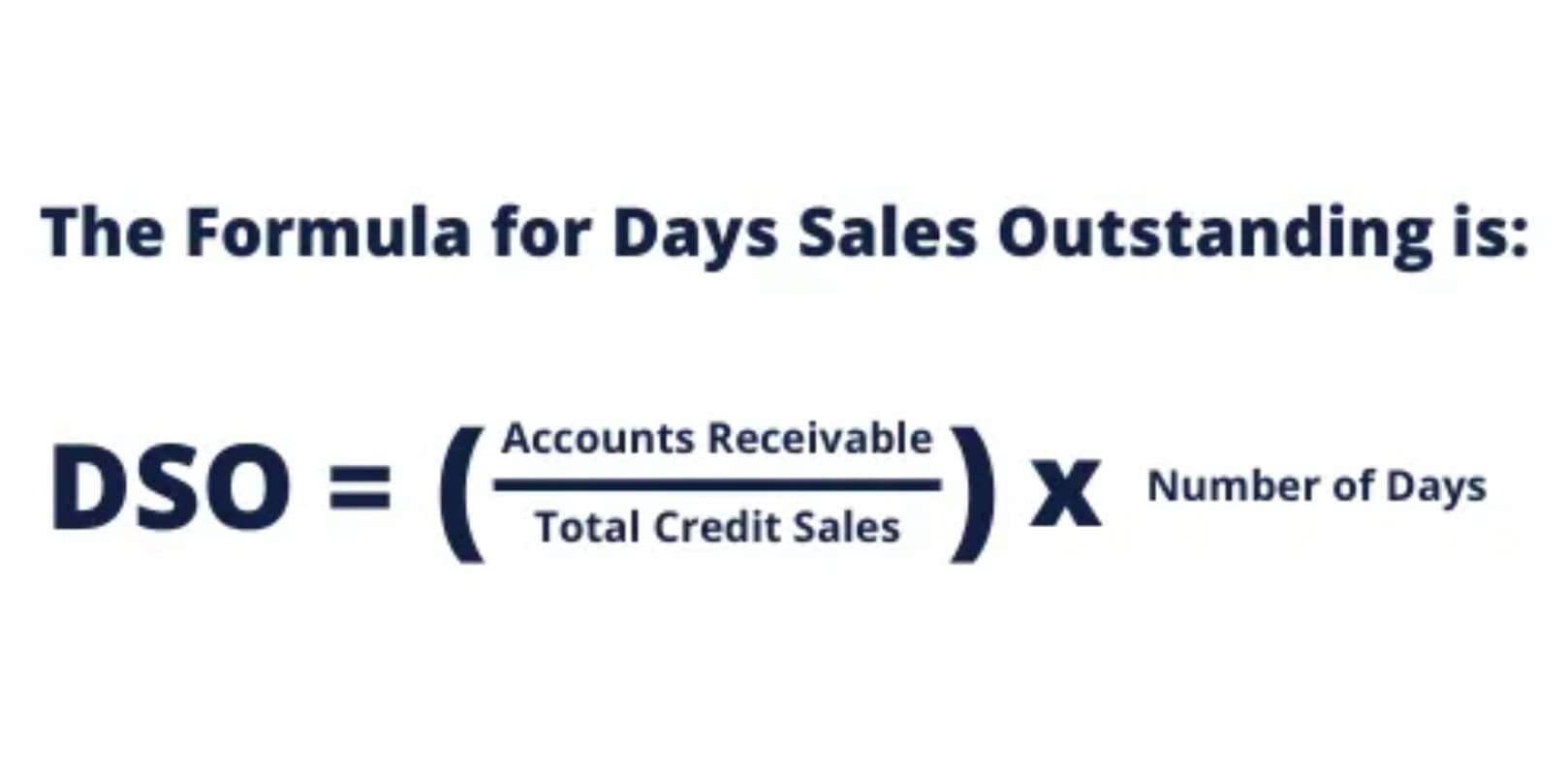
It’s essential to monitor receivables, as a high accounts receivable turnover ratio is often an indication of effective credit policies. Get answers to frequently asked questions about M3’s Accounting Core, including features, integrations, and how it helps hotel owners and management companies simplify financial reporting. Hotel accountants handle day-to-day financial operations, including accounts payable, general ledger maintenance, payroll, and monthly reporting per USALI. Night auditors are the vital link between daily operations and financial reporting.
USALI framework
These reports reveal what’s working, what’s leaking money and where the biggest opportunities lie. Below are the must-reads for hospitality accounting and the insights you pull from each. Hotels Have Multiple Revenue Streams In addition to rooms, hotels earn ancillary revenue from food and beverage, events, spas, parking and more.
What Does Hotel Accounting Include?
- Each evening, the night auditor reconciles daily revenue, adjusts guest folios and ensures operational accuracy.
- Join Community Hub, a trusted space where Sage users connect, collaborate, and grow.
- Absolutely, that is is known as depreciation and that will be covered in module 4.
- Your bookkeeping templates will make it easier to track, analyze and report on the financial health of your business.
- Ramp accurately categorizes and syncs transactions with accounting software, allowing hoteliers to stay ahead of financial challenges and make data-driven decisions.
In this introduction, we’ll explore the fundamentals of hotel accounting and its importance in the hospitality industry. In a hotel business, your Property Management System (PMS) and Point of Sale (POS) system are essential starting points for integration with accounting software. The PMS informs your accounting system of expected transactions by hotel accounting managing reservations, room assignments, and guest check-ins. The POS system, on the other hand, tracks ancillary income from outlets like restaurants, bars, and in-hotel retail stores.

A revenue manager focuses primarily on the hotel’s pricing strategy, forecasting revenue, and increasing profitability by optimizing room rates. They are responsible for using demand Bookkeeping for Startups data, market conditions, historical trends, and competitor pricing to adjust room rates dynamically. The pace can be steady but ramps up during financial reporting periods, demanding meticulous attention to detail and time management skills.
Therefore, it’s essential to research your options to ensure you’re opting for the right service at the best price. Tax compliance in the hotel industry can be notoriously complicated due to varying local, state, and national tax laws. Sales tax rates vary by state and sometimes by city or county, while occupancy taxes, often known as lodging taxes or transient occupancy taxes (TOT), are imposed by local governments.
Room revenue categories
Opportunities for professional development are present, with technology playing a significant role in streamlining tasks and improving efficiency. Xero allows unlimited users, letting owners collaborate with any number of team members and accountants. While Xero is effective for single-entity businesses, it does not have multi-entity support for companies managing more than one hotel.
Any partners or owners of any given hotel look for financial statements at the beginning of each month. Another factor that affects occupancy rates, and in turn, room costs, is the season. Certain seasons in different properties will have busier periods that will drive costs up. Here are some of the distinct aspects of hotel accounting that you won’t find in many other types of business.